

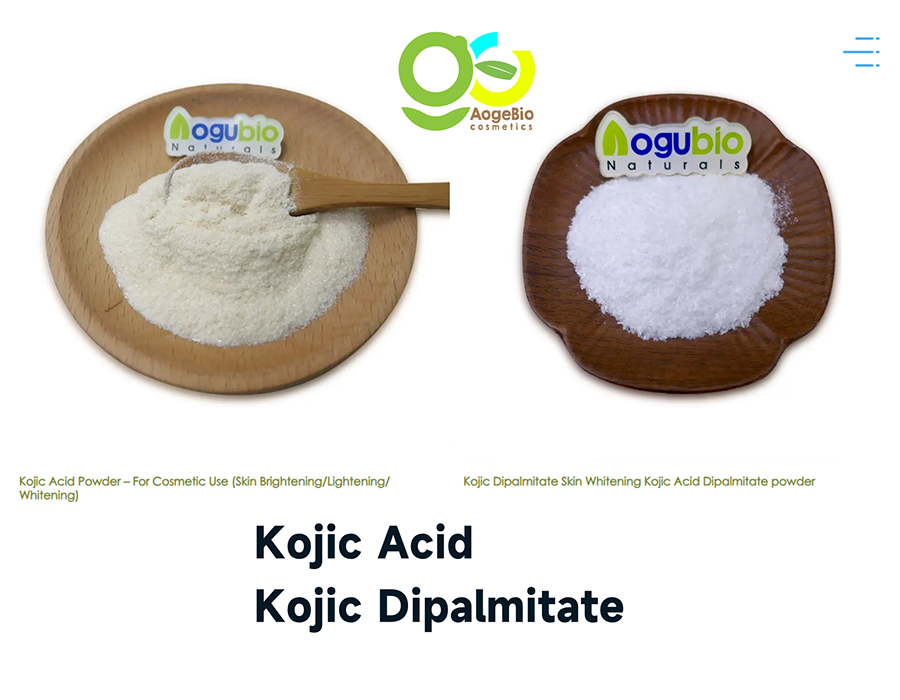
Kojic Acid And Kojic Acid Dipalmitate: A Comparison of Whitening Ingredients in the Cosmetics Field
Kojic Acid vs. Kojic Acid Dipalmitate: A Comparison of Skin-Brightening Ingredients
| Property | Kojic Acid | Kojic Acid Dipalmitate |
|---|---|---|
| Chemical Nature | Small, water-soluble molecule (C₆H₆O₄) | Large, lipid-soluble ester (C₃₈H₆₆O₆, kojic acid + palmitic acid) |
| Stability | Poor; prone to oxidation (requires dark storage) | Highly stable, oxidation-resistant |
| Skin Penetration | Fast absorption (but may degrade quickly) | Slower but sustained release (lipophilic penetration) |
| Whitening Mechanism | Directly inhibits tyrosinase, blocking melanin production | Gradually releases kojic acid for gentler, prolonged effects |
| Irritation Potential | Higher (may cause redness/stinging in Sensitive Skin) | Lower (esterified form is milder) |
| Formulation Compatibility | Water-based products (serums, toners) | Oil-based/emulsified products (creams, sunscreens) |
| Efficacy | Fast-acting but short-lived | Slower onset but longer-lasting |
| Recommended Skin Types | Tolerant skin (patch test advised) | Suitable for sensitive/dry skin |
| Common Pairings | Vitamin C, arbutin, Niacinamide | Vitamin E, squalane, lipid-soluble antioxidants |
| Market Positioning | Budget-friendly brightening/spot treatments | Premium anti-aging & gentle brightening lines |
Understanding Kojic Acid
| Kojic acid is a natural compound derived from the fermentation of substances such as rice by certain fungi, like Aspergillus oryzae. It was first discovered when it was noticed that workers in the brewing industry often had notably fairer hands. A Japanese scholar, Saito Kendo, identified this whitening - effective substance in soy sauce brewed with Aspergillus oryzae. | 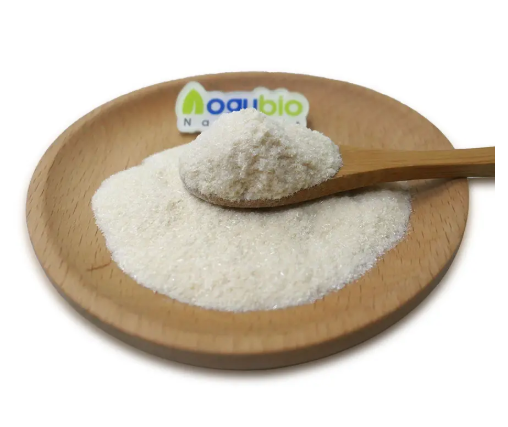 |
How Kojic Acid Works
Kojic acid exerts its skin - lightening effects by inhibiting the activity of tyrosinase, a key enzyme involved in the production of melanin, the pigment responsible for skin color. By chelating with the copper ions in the active site of tyrosinase, kojic acid renders the enzyme inactive, thus reducing the synthesis of melanin. As stated in multiple dermatology research studies, this mechanism is well - established. For example, a study published in the Journal of Cosmetic Dermatology demonstrated that kojic acid can effectively reduce the production of melanin in human skin cells in vitro by inhibiting tyrosinase activity.
Applications in Cosmetics
Kojic acid has been widely used in various cosmetic products aimed at treating hyperpigmentation issues such as freckles, age spots, melasma, and other forms of skin discoloration. It can be found in products like creams, lotions, serums, and even some facial masks. In a clinical trial reported in the Relevant Medical Journal, a kojic - acid - containing cream was tested on a group of patients with melasma. After a certain period of regular use, a significant number of patients showed visible improvement in the reduction of melasma patches.
Drawbacks of Kojic Acid
Despite its effectiveness, kojic acid has some limitations. It is relatively unstable, being highly sensitive to light and heat. This instability can lead to the oxidation of kojic acid when exposed to air, causing the product to change color over time. Additionally, kojic acid has a tendency to react with metal ions, especially ferric ions. This reaction can result in the cosmetic product turning yellow - brown during storage and use, which is not only aesthetically unappealing but may also indicate a loss of efficacy. As noted in a review article in the International Journal of Cosmetic Science, these stability issues have been a concern for formulators when incorporating kojic acid into their products.
Introduction to Kojic Acid Dipalmitate
| Kojic acid dipalmitate is a derivative of kojic acid. It is synthesized through the acylation of kojic acid with palmitoyl chloride, followed by a series of purification steps including filtration, washing, decolorization, crystallization, recrystallization, and drying. | 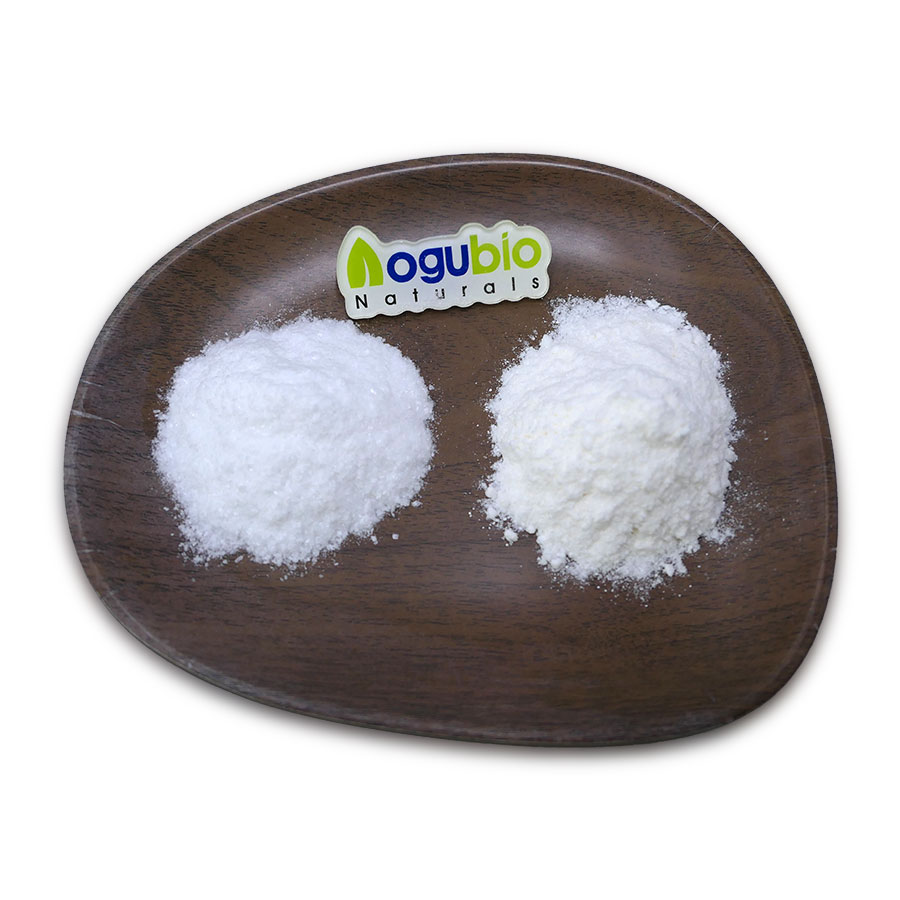 |
Enhanced Stability
One of the major advantages of kojic acid dipalmitate over kojic acid is its improved stability. The esterification of the hydroxyl groups in kojic acid protects the molecule from the factors that cause instability in kojic acid. As a result, kojic acid dipalmitate is much less sensitive to light, heat, and metal ions. This stability makes it easier for formulators to incorporate into cosmetic products without worrying about the product deteriorating over time. A research paper published in the Cosmetic Chemistry Journal compared the stability of kojic acid and kojic acid dipalmitate under the same storage conditions. The results clearly showed that kojic acid dipalmitate remained stable, while kojic acid underwent significant changes in color and structure due to oxidation and metal - ion interactions.
Superior Skin Absorption
Kojic acid dipalmitate is a lipid - soluble compound, which means it has a better ability to penetrate the skin's lipid - rich barrier. This enhanced skin absorption allows it to reach the deeper layers of the epidermis more effectively, where it can exert its anti - melanogenic effects. In a study using skin - penetration models, researchers found that kojic acid dipalmitate was able to penetrate the skin at a much higher rate compared to kojic acid, as reported in the Journal of Dermatological Research.
Potent Whitening Effects
In terms of whitening efficacy, kojic acid dipalmitate has been shown to be more effective than kojic acid. A study conducted to compare the inhibitory effects of kojic acid and kojic acid dipalmitate on tyrosinase activity measured the absorbance at 475nm to assess the activity of the enzyme. The results showed that the kojic - acid - treated group saw the re - activation of tyrosinase as early as 5 minutes, while in the kojic - acid - dipalmitate - treated group, tyrosinase activity was only detected after 12 minutes. This indicates that kojic acid dipalmitate has a longer - lasting inhibitory effect on tyrosinase, leading to more effective suppression of melanin production. In clinical trials involving patients with pigmentation problems, kojic acid dipalmitate also demonstrated a higher effective rate, with reports showing an effectiveness of around 80%, compared to 60% - 95% for kojic acid.
Versatile Applications in Cosmetics
Kojic acid dipalmitate is a popular choice for formulators in creating high - quality, effective, and stable skin - lightening products. It can be easily incorporated into various types of cosmetic formulations, including creams, lotions, serums, and sunscreens. Due to its lipid - solubility, it can be evenly dispersed in the oil phase of these products, ensuring consistent delivery of the active ingredient. In addition to its skin - lightening properties, kojic acid dipalmitate also provides some moisturizing and nourishing effects to the skin, making it a multi - functional ingredient in cosmetic products.
Conclusion
In summary, while both kojic acid and kojic acid dipalmitate are effective skin - lightening agents in the cosmetic industry, kojic acid dipalmitate offers distinct advantages in terms of stability, skin absorption, and whitening efficacy. As consumers continue to demand more advanced and reliable cosmetic products, the use of kojic acid dipalmitate is likely to increase. However, it's important for both consumers and the industry to stay informed about the latest research and developments in this area to make the best choices for skin health and beauty. Whether you're a consumer looking for the perfect whitening product or a cosmetic formulator seeking to create the next big thing in skincare, understanding the differences between these two ingredients can be a valuable asset.
- Name: Yuik
- E-mail: sales02@nahanutri.com
- WhatsApp:+8618066950297