Leave Your Message

a-Arbutin, SymWhite 377 & Sepi: Solubility, Usage & Formulation Tips

2025-08-11
In skincare formulation, mastering the solubility, optimal usage, and stability of key brightening ingredients is key to creating high-performance products. This guide breaks down essential details for a-Arbutin, SymWhite 377 (Phenylethyl Resorcinol), and Sepi (Sepiwhite MSH), including critical formulation tips to ensure efficacy and stability.
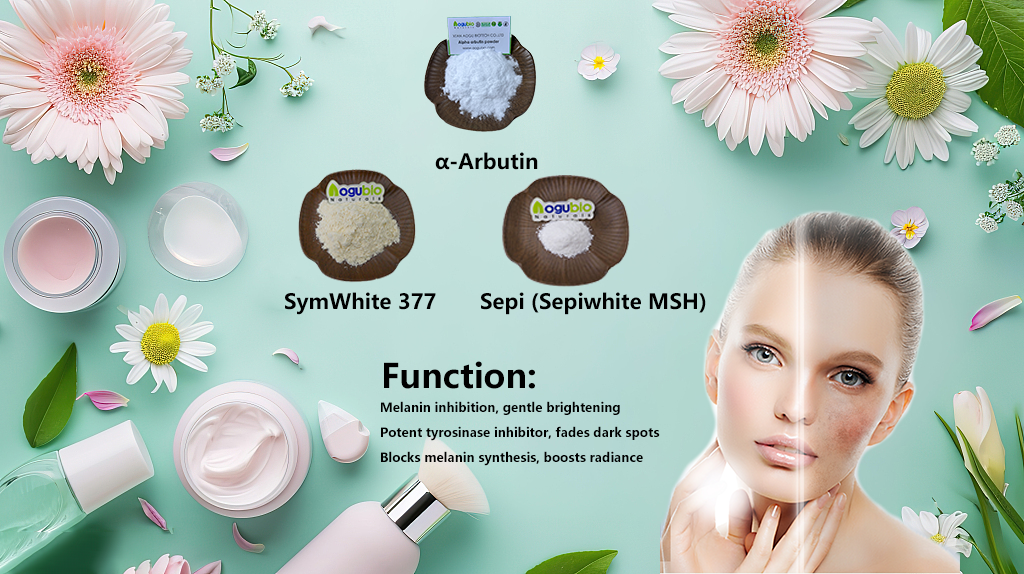
Formulation-Tips.png

Quick Reference: Key Properties & Usage

Ingredient Solubility Recommended Usage Primary Function
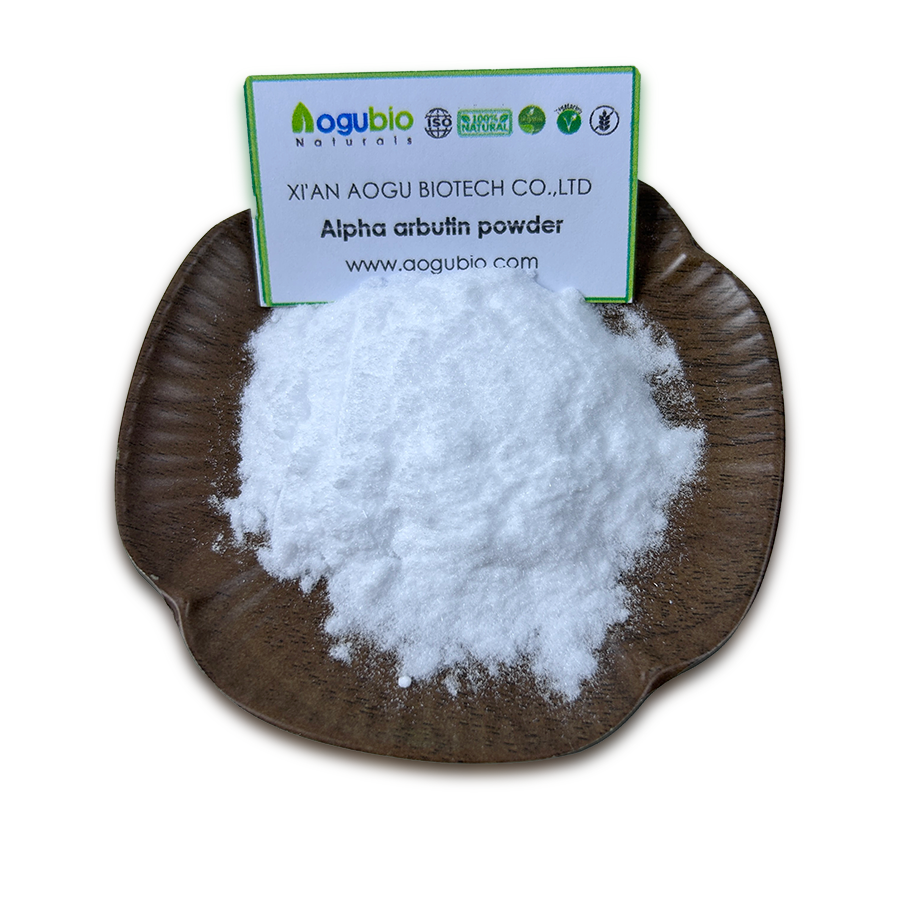
α-Arbutin.png a-Arbutin Water/ethanol-soluble 1% - 3% Melanin inhibition, gentle brightening
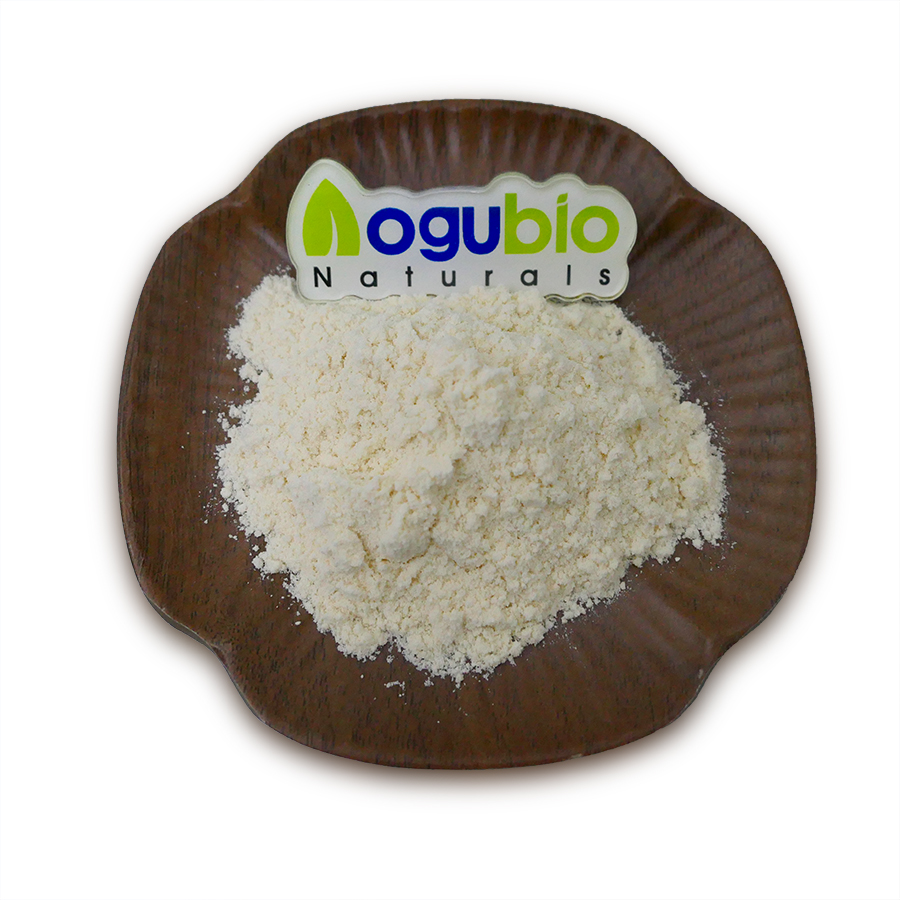
photobank - 2025-07-23T133543.235.jpg SymWhite 377 Partially water-soluble; better in oils/alcohols 0.1% - 0.5% Potent tyrosinase inhibitor, fades dark spots
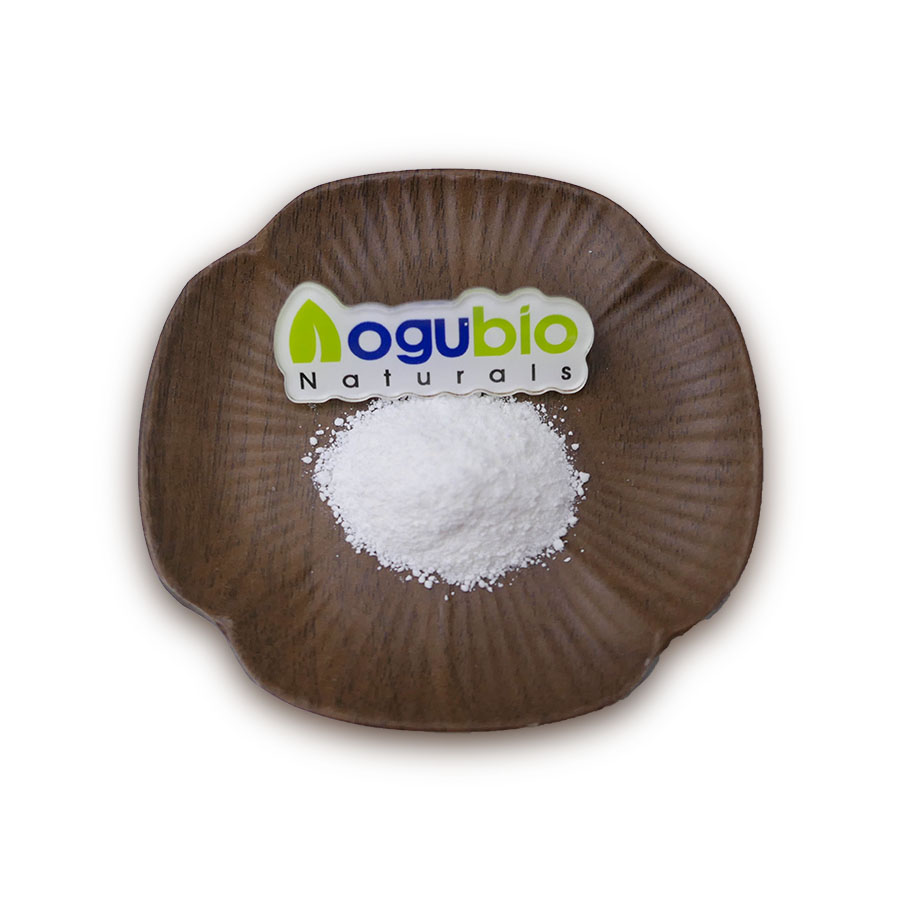
Sepi.jpg Sepi (Sepiwhite MSH) Water-soluble 0.5% - 2% Blocks melanin synthesis, boosts radiance

Formulation Deep Dive

A mild yet effective brightener derived from hydroquinone, a-Arbutin thrives in water-based formulations like serums and lotions, thanks to its water and ethanol solubility. Its stability is highly pH-dependent: it remains most stable in a pH range of 5–7, so avoid strong acidic or alkaline environments that can degrade its efficacy.
Attachment_getProductPicture (1).jpg
This powerful brightener outperforms many traditional ingredients in tyrosinase inhibition but requires careful handling due to its light sensitivity. Finished products must be packaged in opaque, light-blocking containers to prevent degradation.

SymWhite 377 is partially water-soluble but dissolves more easily in oils, alcohols, or glycols, offering flexibility for both water and oil-based products (e.g., creams, serums). The recommended usage range is 0.1%–0.5% to avoid irritation. For stability, maintain the formulation’s pH at 4–5.

For enhanced versatility, opt for nano-encapsulated SymWhite 377, which can be added directly to either the water or oil phase at temperatures below 40°C, simplifying integration while protecting the ingredient from environmental stressors.
Attachment_getProductPicture.jpg
A popular choice for luminous, even-toned skin, Sepiwhite MSH (a peptide derivative) is fully water-soluble, making it easy to incorporate into water-based products like essences and gels. While official data is limited, standard practice recommends dissolving it directly in the water phase and maintaining a pH of 5–7 to preserve stability.

At 0.5%–2%, it disrupts melanin transfer, fades discoloration, and enhances radiance. It pairs exceptionally well with vitamin C or niacinamide, creating synergistic brightening effects.
Attachment_getProductPicture (2).jpg

    Conclusion

    a-Arbutin, SymWhite 377, and Sepi each bring unique strengths to brightening formulations, but their efficacy hinges on proper handling. From a-Arbutin’s pH-sensitive stability to SymWhite 377’s light sensitivity and Sepi’s water-based compatibility, these tips ensure your products deliver consistent, safe results. By aligning formulation practices with each ingredient’s needs, you can craft skincare that truly shines.