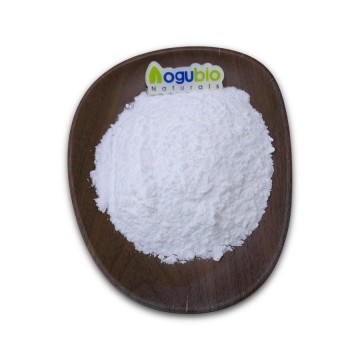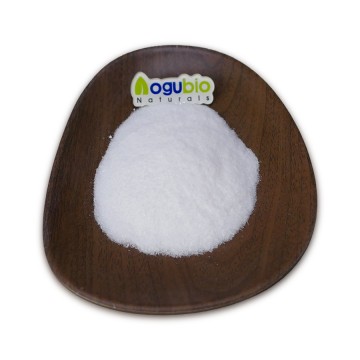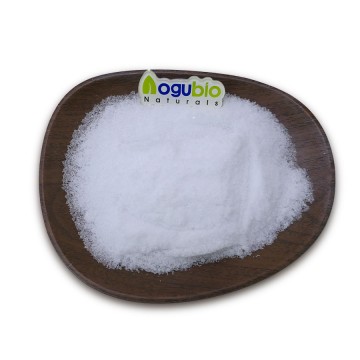
Hyaluronic Acid (HA) has emerged as a revolutionary ingredient in skincare, particularly in products targeting hyperpigmentation and dark spots. Known primarily for its exceptional hydration capabilities, HA also enhances skin repair processes, ultimately contributing to a more even skin tone. As consumers become increasingly conscious about safe and effective ingredients, HA's role in skin brightening and pigmentation control is gaining significant traction.
Unlike harsh chemical lightening agents, Hyaluronic Acid delivers moisture deep into the skin layers, supporting skin barrier function and accelerating cellular turnover. This process allows other active ingredients like Vitamin C and licorice root extracts to be more efficacious in reducing melanin accumulation and mitigating dark spots.
The global market for Hyaluronic Acid in cosmetic and pharmaceutical applications is expanding rapidly, with CAGR estimates exceeding 8% through 2028. Increasing demand for natural, biocompatible, and multifunctional skincare ingredients, especially in Asia-Pacific and North America, is propelling this growth. HA sourced sustainably from bacterial fermentation or biofermentation dominates the industry due to its higher purity and consistent quality compared to animal-derived HA.
Cosmetic manufacturers are incorporating HA in multi-targeting formulations that address moisturizing, anti-aging, and pigmentation simultaneously. Innovations in delivery systems such as nanoencapsulation and HA conjugates enhance skin penetration and sustained release, opening new frontiers in dark spot correction technologies.
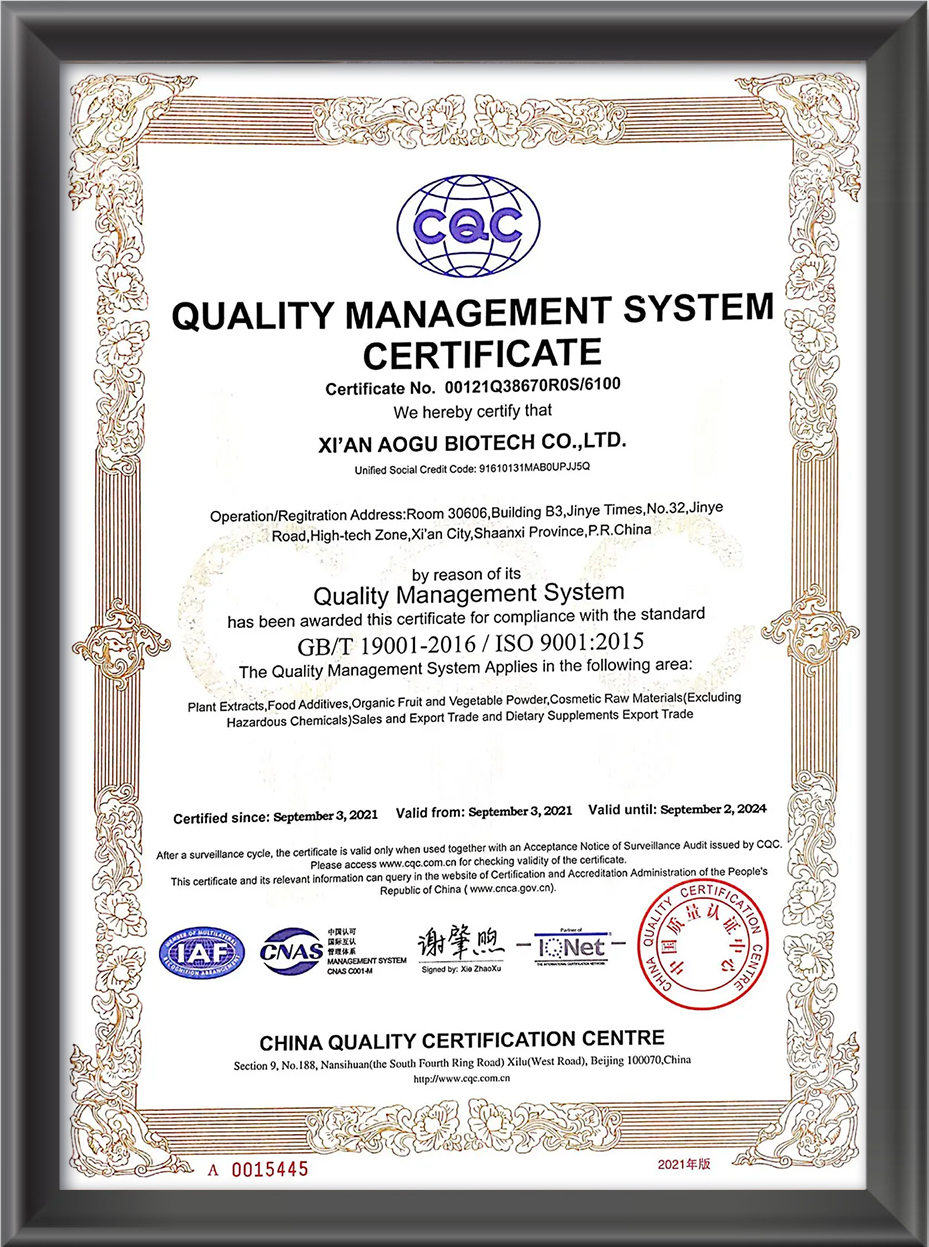
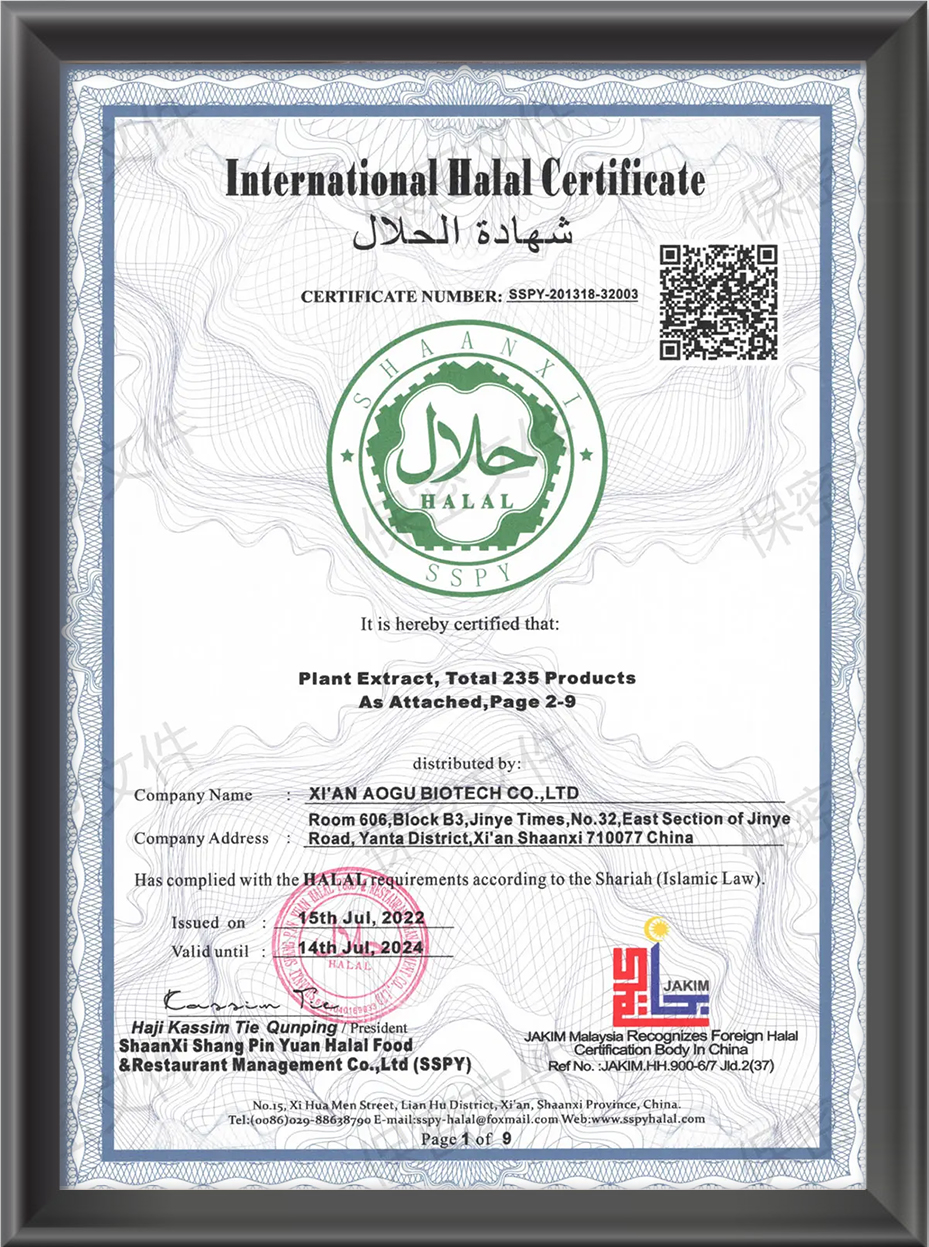
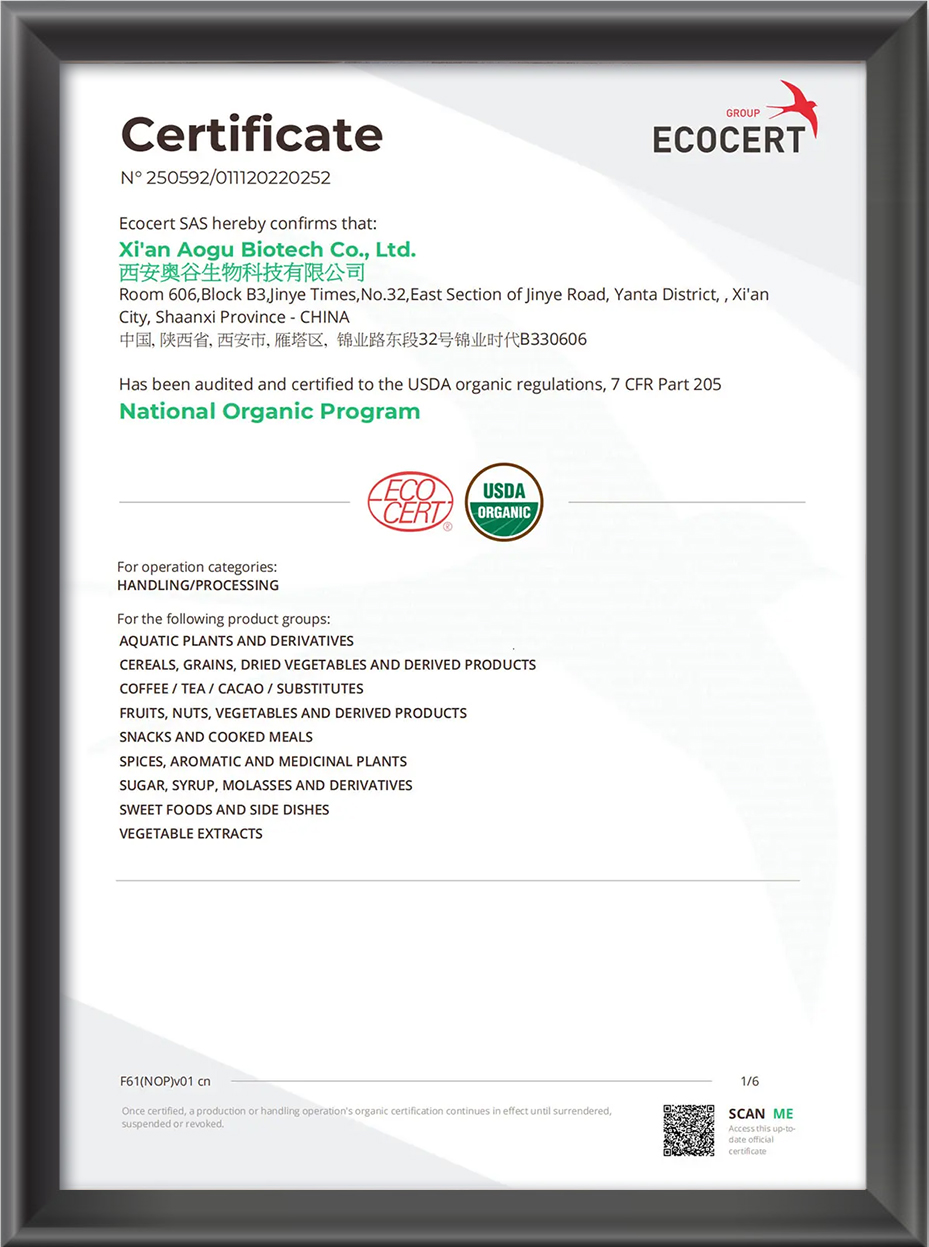
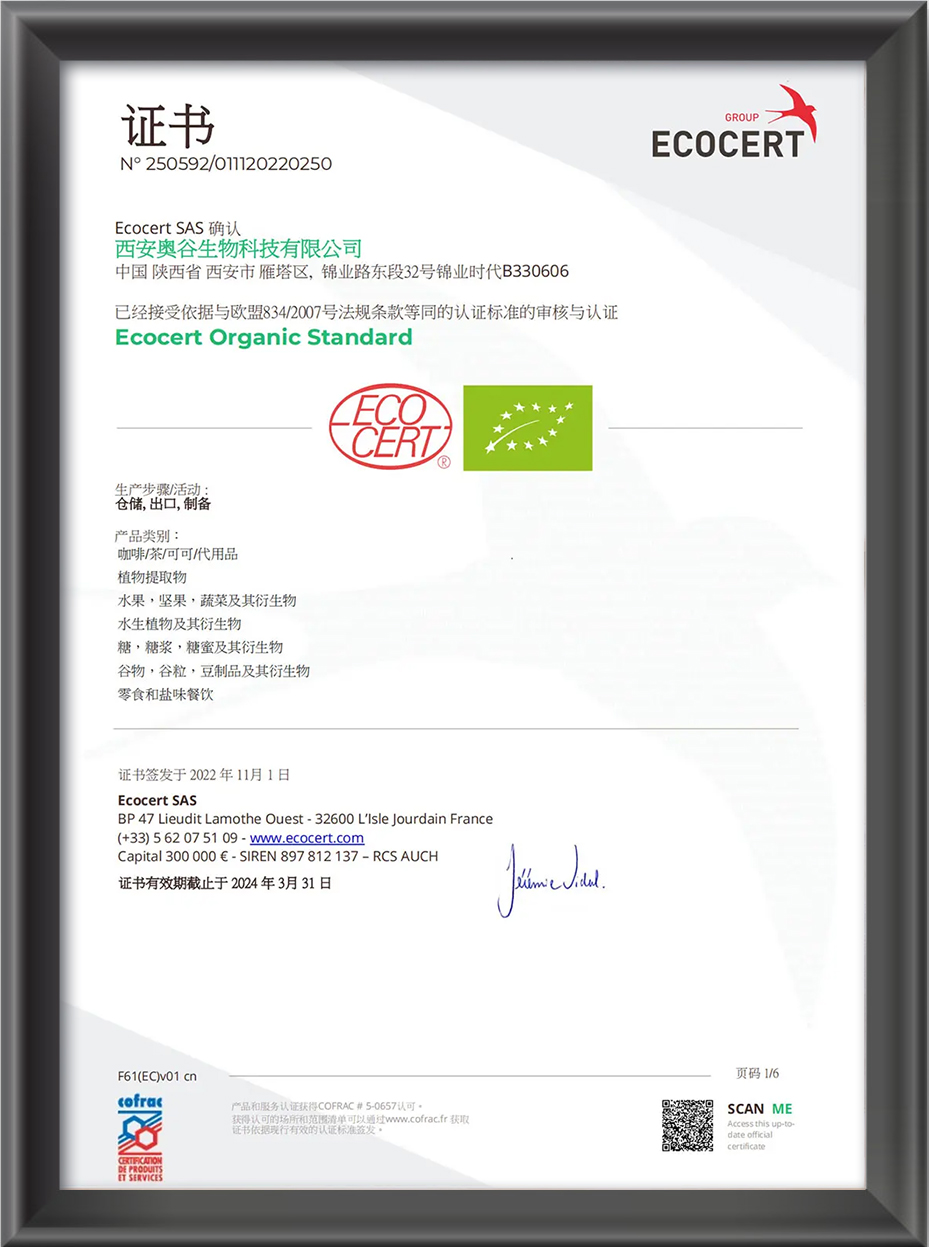
Furthermore, compliance with international regulations (e.g., EU Cosmetics Regulation) and certifications for organic or natural cosmetic status are increasingly influencing sourcing and formulation strategies. Brands increasingly leverage HA’s synergy with antioxidants and tyrosinase inhibitors to create powerful hyperpigmentation solutions integrating hydration and brightening.
Beyond conventional serums and creams, Hyaluronic Acid is facilitating the development of advanced dermo-cosmetic products such as transdermal patches, injectables, and microneedling serums targeted specifically at hyperpigmentation and skin tone correction. HA’s unique ability to hold 1000x its weight in water makes it ideal for creating plumping effects, reducing the appearance of wrinkles and pigmentation simultaneously.
In combination with proven pigmentation inhibitors—like Alpha Arbutin, Niacinamide, and Glycyrrhetinic Acid (Licorice Root Extract)—HA enhances product efficacy by maintaining optimal skin hydration and improving the epidermal absorption of these actives. This multifaceted approach results in safe, gentle yet powerful solutions suitable for sensitive skin types prone to hyperpigmentation.
Moreover, HA’s role in post-procedural care is crucial. Following laser treatments or chemical peels for pigmentation improvement, HA-containing formulations accelerate skin barrier recovery, minimize irritation, and improve overall treatment outcomes, representing a growing segment in professional skincare clinics and at-home care routines.
Founded in 2013 and headquartered in the prestigious high-tech zone of Xi'an, Xi'an Aoge Biotech Co., Ltd., along with its subsidiaries Xi'an Imaherb Biotech Co., Ltd. and Xi'an Nahanutri Biotech Co., Ltd., has established itself as a leading force in the cosmetics raw materials industry.
Our expansive cooperative factory, spanning 1,000 mu (approximately 165 acres), is equipped with state-of-the-art extraction technology. This advanced infrastructure allows us to manufacture a wide array of premium cosmetic raw materials. Our product line includes natural plant extracts specifically designed for organic cosmetics, as well as synthetic ingredients for high-end skincare formulations. These raw materials serve as the foundation for a multitude of skincare, haircare, and makeup products, ensuring superior quality and efficacy throughout the entire production process.
View more about AogebioOur in-house lab uses advanced instruments like UPLC, HPLC, GC-MS, ICP-MS for quality control, ensuring raw materials meet strict international standards.